Springing to Life Returns!
When:
April 18 & 25
7:00 am - 12:00 pm
Where:
Big Lake Observation Platform
Google Maps (closest parking lot located in Lois Hole Provincial Park)
On Saturday, April 18th and Saturday April 25th, some dedicated local birders will return to the BLESS Viewing Platform overlooking Big Lake to repeat a challenging task for the 29th and 30th time in the last 21 years. The challenge they face is called Springing to Life. It’s a count of the returning migratory birds at Big Lake. It’s performed under some interesting constraints.
Dan Stoker and Percy Zalasky with the help of many other birders, love to find and count birds anytime, anywhere. Years ago, on April 16 2005, they drafted a plan to do the first Big Lake Big Sit on the BLESS platform. It worked so well, they repeated it the next day and then for 14 years up until 2018. Each spring, they counted on at least two weekend days in April. Needless to say, they learned a lot. Their data collection was citizen science at work.
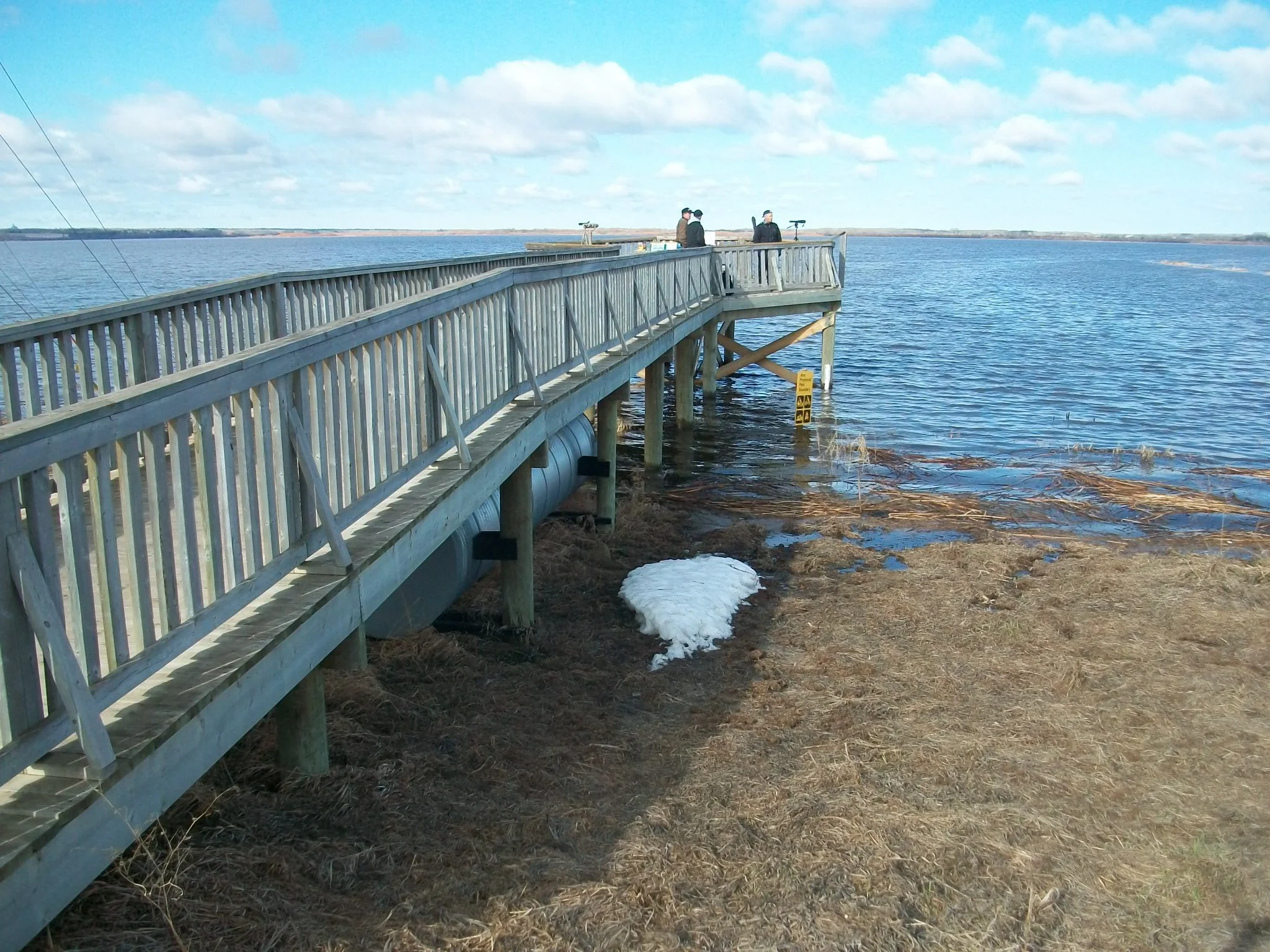
Springing to Life at the Big Lake observation platform, 2011.
There are rules to a Big Sit according to birding protocol. The Stoker-Zalasky team bent the rules a bit. Here is what the internet yields as the basic rules of typical Big Sits and here is how they changed things:
1) The Circle: All birds must be seen or heard from within a pre-determined circle, typically 17 feet (5.2 meters) in diameter. The end of the BLESS Platform is a circle and the dimensions are close to the typical count area size.
2) Duration: Official events often run for 24 hours (midnight to midnight), though groups may choose shorter windows.Dan and Percy chose 7:30 am to 12:00 noon. In April, it can be mild or bone-chilling cold. The best birding is early in the morning anyway so chose a duration and time that was best.
3) Participation: Usually there is a set team and for long-duration sits, shifts are possible. Dan and Percy basically stay the full 4.5 hours tacking on another hour of effort to set up and take down the event materials. They welcome and enjoy a variety of help both novice and expert.
4) Birds Counted: Birds added to the count list must be seen by more than one observer and by everyone present if possible. Identification must be by consensus or if debatable then not down to species level (ie. “Ducks unidentified” for questionable ducks seen).
After 14 years, they packed up the project. Now, eight years has elapsed, and they’ve decided to give it a go 'for old times sake' and maybe a bit more. The ‘more’ will be the opportunity to compare the results of 2026 to the massive collection of data from the previous 28 counts.
In the previous 28 counts, a total of 90 bird species were spotted. Will there be new species seen in this year’s count? Will some species be missing? Will the numbers of birds be similar or different? Previous counts averaged 1,465 birds seen each morning and 33 species per count. Will Tundra Swans show up? They did at 20 of the 28previous counts. Will wacky sightings like a Golden Eagle or a Belted Kingfisher re-appear? Each of these two species (as well as five others) showed up only once over the 14 years.
The general public is invited to participate in the count between 10:00 am and noon and will be treated to views with ‘loaner’ binoculars and birding scopes set up to help teach some bird identification. Accomplished birders are welcome to come earlier to pitch in on the counting.
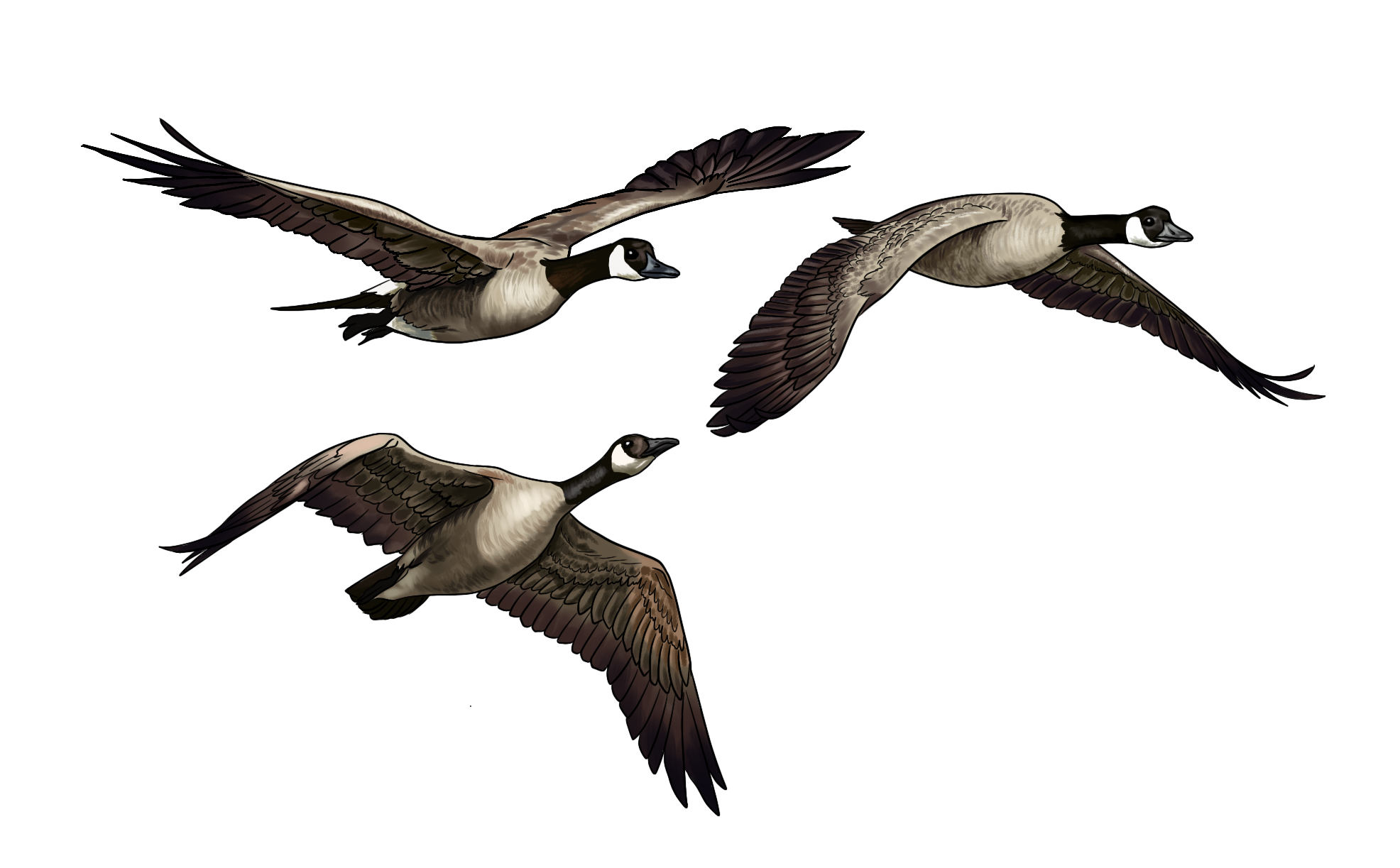
Come and enjoy an uplifting opportunity to witness the bird phenomenon called migration.
